Logo
Share a pictureShare a story or poemReport wildlife and natureReport pollution and dumping
Home
Map
Radar
Feed
Partners
Support Us
About Us
Cookies
Privacy Policy
Terms and Conditions
Staging Website
Cookies on Explore The River Dôn

We use some essential cookies to make this service work.

We’d also like to use analytics cookies so we can understand how you use the service and make improvements.

View cookies
Alpha
This is a new service. Please share your feedback to help us improve it.

jim

10 Contributions

jim's contributions

river-don-bubba-2000.jpg

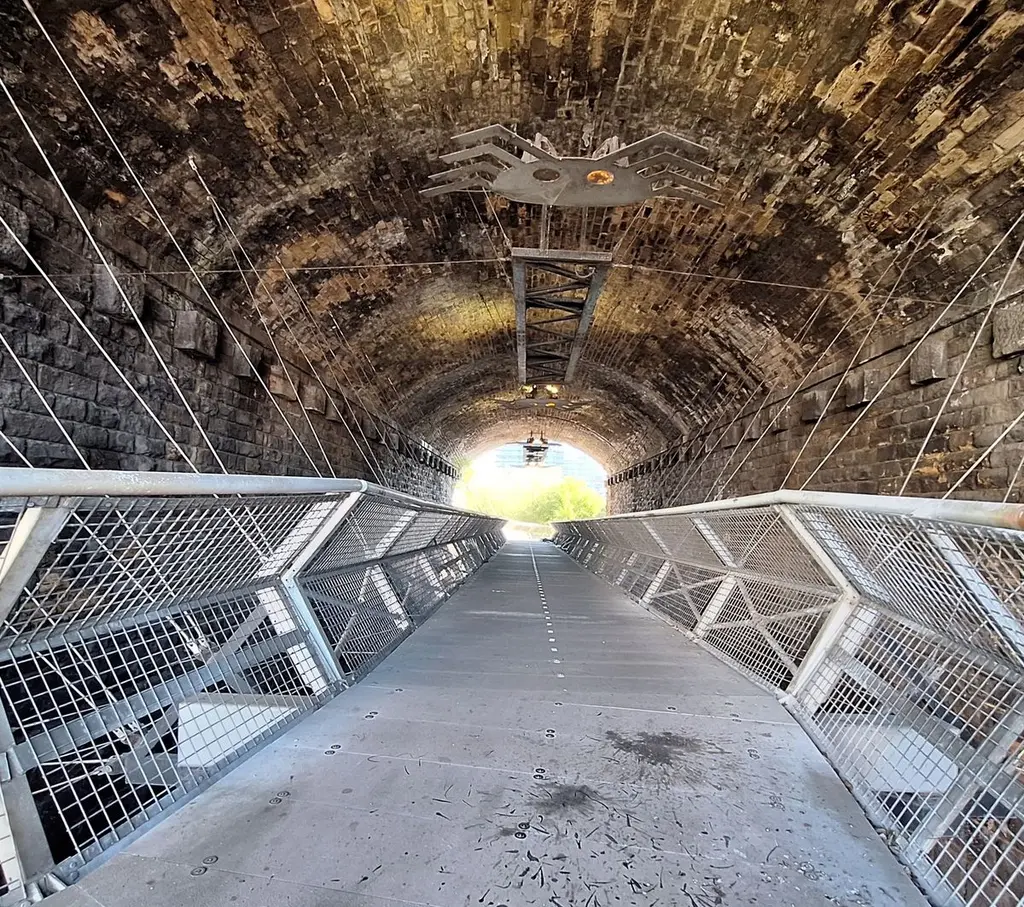
Ball Street Bridge artwork.

factories.term.pits

View on map
WhatsApp Image 2023-09-06 at 19.13.21.jpeg
Water vole having a little swim

Level of Confidence

Certain

View on map

Dragon Boat training on the canal next to the river.

https://steelcitybeavers.co.uk/

View on map
Test for sabine to see that this is different to SHeffield
View on map
Screenshot 2026-08-20 at 15.53.58.png

An Alaskan-A style fish pass built by the Five Weirs Walk Trust and passed on to Sheffield City Council for management. Located on Effingham Street, Sheffield.

View on map
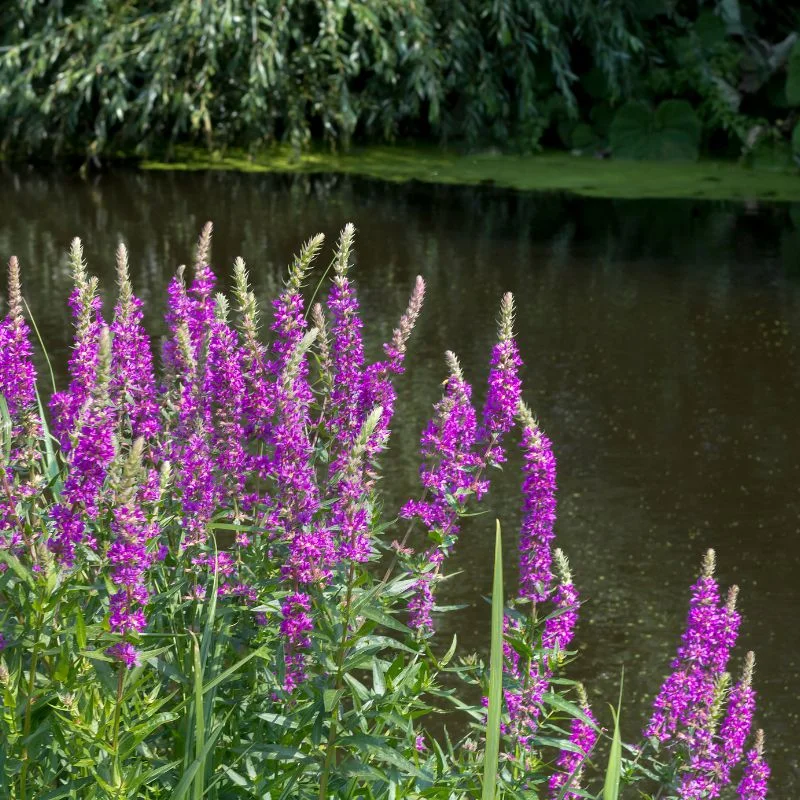
Himalayan Balsam spotted on the bank near Cadman Bridge

Level of Confidence

Certain

View on map
Call to action button test (by type by category)
View on map
Litter.jpg
Build up of plastic waste near Meadow Hell!
View on map
Screenshot 2026-08-10 at 14.45.44.png

The Larinier fish pass here was one of five fish passes built and managed by Don Catchment Rivers Trust as part of the Living Heritage of the River Don project in 2018.

View on map

Before the Industrial Revolution, Salmon Pastures in Sheffield was a pristine, rural paradise. Located along a clear, unpolluted River Don, this peaceful area featured shallow, gravelly riverbeds that formed the perfect natural spawning grounds for Atlantic salmon. Every autumn, massive shoals of fish leaped upstream to breed, making the river one of England's finest fisheries. Salmon were so abundant that they became a cheap, reliable food staple for local people and supported a thriving fishing trade. At this time, the pastures were a lush, undisturbed wetland ecosystem, completely unmarred by the heavy factories and weirs that would later alter the landscape forever.

View on map